What Louisiana requires for fire alarms in new home construction
A plain look at what a monitored system covers, when the wiring needs to go in, and why your insurance carrier should be part of the conversation early.
September 1, 2026 · 4 min read
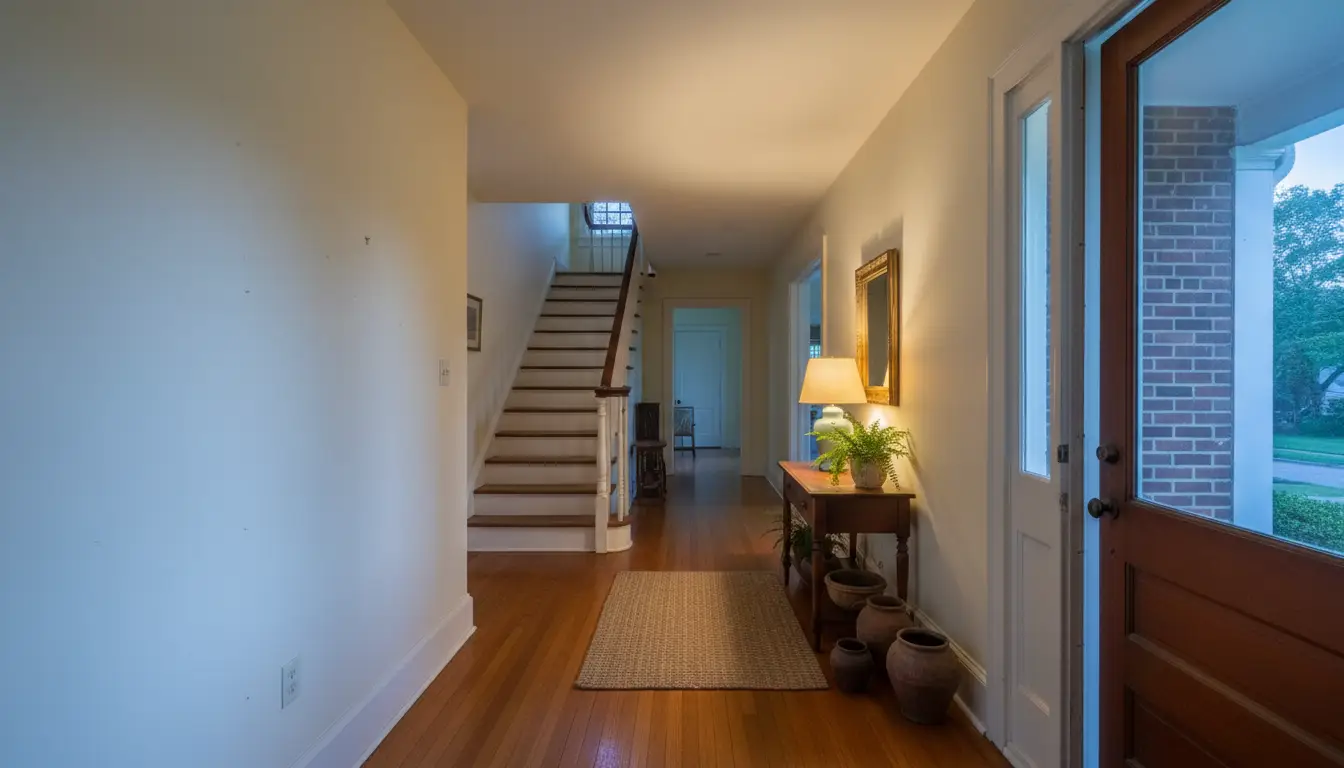
If you're building new in or around Monroe, there's a line in the requirements that's easy to skim past on your way to picking out cabinets: Louisiana requires a monitored fire system in new home construction. It isn't an add-on you decide about later, and it isn't something you bolt on after the fact if you feel like it. It's part of building the house, the same as plumbing rough-in or electrical rough-in, and it needs to be planned for at the same stage those are.
What "monitored" actually means
A smoke detector that beeps when it senses smoke is a start, but on its own it isn't a monitored system. Monitoring means the detectors and sensors in your home are wired into a central panel, and that panel stays in constant contact with a monitoring center around the clock. If something trips at two in the morning and nobody in the house hears it, or nobody's home at all, the monitoring center still gets the signal and can get the fire department moving without anyone in the house having to pick up a phone. That's the real difference between a device that just makes noise in the room it's in and a system built to get help moving even when no one's there to call for it. It's also usually what an insurance carrier means when they ask whether a home has a monitored fire system, rather than just detectors on the ceiling.
What actually goes into the house
A residential fire system isn't a single device sitting on a ceiling. It's a set of them, wired back to one panel that ties the whole system together:
- Smoke detectors placed through living areas and every sleeping area
- Heat detectors for spaces where smoke detectors don't work well, like garages and attics
- Carbon monoxide detectors
- A central panel that ties every device together and reports to the monitoring center
- Life safety technology that keeps the whole system checking in, not just individual detectors sounding off on their own
We install residential fire systems using Digital Monitoring Products and ESL Interlogix equipment, the same gear we've been putting into new homes around Monroe for years.
Why the rough-in has to happen before the walls close
Every detector, every heat sensor, every piece of that system needs wire run to it, and that wire has to go in while the framing is still open and the studs are exposed. Once drywall goes up, adding a line to a bedroom ceiling or a hallway means cutting into a finished wall, running the wire, patching the hole, and repainting over it. None of that is impossible, but it turns a planned rough-in into a repair job, and it costs more in time and mess than doing it right the first time. If you're working with a general contractor or building yourself, the fire system rough-in belongs on the same schedule as your electrical and low-voltage rough-in. It shouldn't be something that gets scheduled after the fact once the house is already closed up. The earlier we're in the conversation with your builder, the fewer surprises there are once the walls go up and the paint's on.
The insurance side of it
Here's the part that's easy to miss. A monitored fire system can get you a discount on your homeowner's insurance. How much, and what your carrier needs to see to apply it, depends entirely on your policy and your company, so we're not going to hand you a number that isn't ours to give. What we can tell you is what to ask: call your insurance agent, tell them you're installing a professionally monitored fire system as part of new construction, and ask directly what discount applies and what documentation they'll need from us to confirm it's in place and active. Once the system's installed and monitored, we'll give you whatever paperwork your carrier asks for.
Getting it scheduled before the walls close
If you're at or near the framing stage, that's the right time to call. We'll walk the plans with you or your builder, figure out where every detector and sensor needs to sit, and get the rough-in scheduled alongside your other trades before drywall goes up. Waiting until closer to move-in turns a straightforward part of the build into a much bigger job than it needs to be, for you and for your builder's schedule alike.
We've been doing this in and around Monroe since 1993, and we're licensed by the State of Louisiana Fire Marshal under license #F32. If you're building new and want to talk through what the house needs before the walls close, call us at (318) 345-2378.
Automated Alarm Co Inc, (318) 345-2378
Call (318) 345-2378More articles
What access control schedules actually buy a small business
A plain-language look at how profiles, schedules and holiday dates solve the ordinary headaches of who gets into which door and when.
How to think about choosing a gate operator
The real decisions behind a gate quote, and why who's licensed to install one in Louisiana is worth asking about up front.